Is there such a thing as a bridging finance marketplace? Many investors start by assuming there must be a central place to compare bridging lenders and loans, only to realise the traditional market doesn’t quite work like that.
Bridging finance marketplaces
This guide explains what ‘marketplace’ really means in bridging finance, how lenders are typically accessed, and how comparison platforms for specialist property finance are bringing everything into one place.
Is there a marketplace for bridging finance in the UK?
Until recently, there hasn’t been a single, centralised bridging finance marketplace in the UK that borrowers can go to in the same way you might for flights or insurance, for example.
The UK bridging market is fragmented. There are hundreds of bridging loan lenders, each with different criteria, deal preferences, and ways of operating, and these lenders haven’t sat in one unified system.
Instead, access has been indirect:
- Many lenders don’t deal directly with borrowers
- Criteria isn’t always publicly visible
- Product details can vary significantly depending on the deal
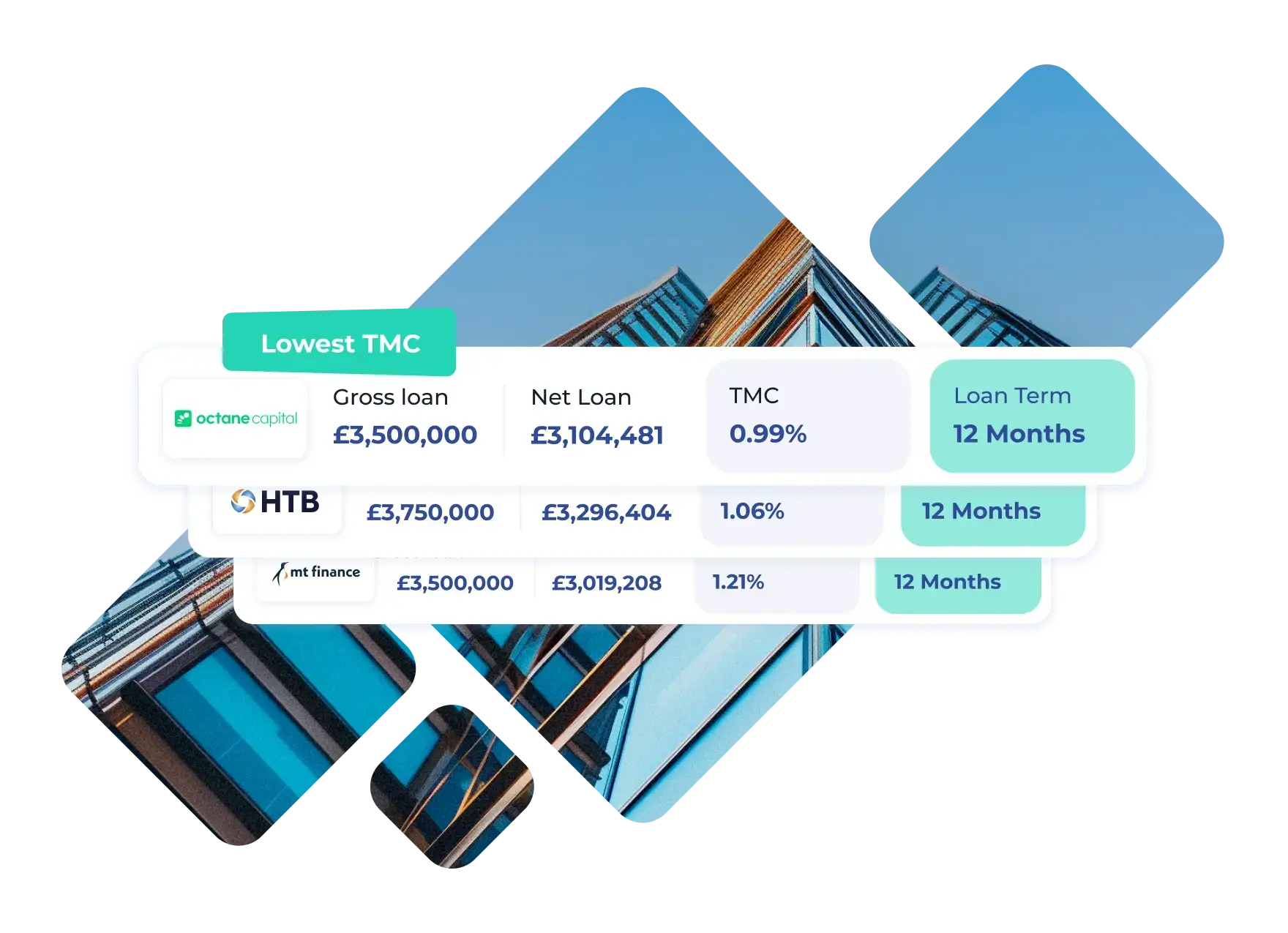
However, platforms like Brickflow have introduced the same concept of a central marketplace to bridging finance, and are increasingly becoming the go-to place for finding the right deal. They bring multiple lenders into one place, allowing borrowers to see and compare options without relying on a single route into the market
How borrowers traditionally find bridging lenders
Before platforms became more common, borrowers typically relied on three routes:
Brokers
Many bridging loans are still arranged through brokers. They introduce deals to lenders, manage the process, and help structure applications.
Direct lender outreach
Some borrowers approach lenders directly, usually those they already know or can find online.
Existing networks
Developers and experienced investors often rely on relationships built over time.
These routes work, but they come with limitations.
Visibility is restricted to who you know or who your broker works with. Comparing options side by side is difficult. And the process can be time-consuming, especially if you’re trying to quickly sense-check whether you’re getting a competitive deal before committing.
For newer investors in particular, this can feel like operating in the dark and trying to make big decisions based on very little information.
Which lenders are best for different scenarios
Identifying which lenders are best for different scenarios can be ultra-efficient when borrowers use a comparison platform.
The best platforms aggregate multiple lenders (with numbers in the hundreds) from across the full spectrum of bridging finance, so borrowers can instantly source multiple options and best fit lenders for their scenario.
Using information supplied by the borrower, platforms filter against lender criteria and show relevant results based on:
- Property type
- Loan size
- Timeline
- Exit strategy
- Borrower experience
Borrowers can then hone in on the loan details and find the best lender by comparing like-for-like rates, LTV, net loan, fees, terms, speed of execution and more.
In that sense, platforms are the closest thing to a bridging finance marketplace UK wide that borrowers can use today. They significantly improve visibility and allow for more informed comparisons and decision making.
Marketplace vs broker: what’s the difference?
It’s easy to assume platforms replace brokers, but they actually serve different roles.
Brokers are relationship-driven. They interpret your deal, position it to lenders, and manage the process. Their value is in experience, structuring, and negotiation.
Platforms are data-led. They give you visibility across multiple lenders and allow you to explore options independently.
Most borrowers use both.
A typical approach might be:
- Use a platform to understand what’s available
- Use a broker to refine the deal and execute
A bridging finance marketplace gives you a broader view of the market so you can see all the deals available; a broker helps you interpret the search results and pin down the best deal.
From research to decision: how to approach it
If you’re starting from scratch, the most effective way to approach bridging finance is to focus on the deal first.
Be clear on the property, the timeline and the exit (sale, refinance, or other). From there, you can move into research.
A practical approach is:
- Use a platform to compare lenders and sense-check options
- Use a broker for guidance, especially if the deal is complex
- Shortlist based on real criteria, not just headline rates
This is where tools like Brickflow come in, with over 160 lenders on the platform, offering one centralised place to compare 1000s of loan products, quickly.
Having market-wide visibility helps you to understand what’s realistically available, compare lenders more efficiently and make better financial decisions, faster.
Find out more about how to shortlist bridging lenders and how to compare bridging lenders.