When comparing refurbishment finance vs bridging loan, it’s important to understand that although the terms are sometimes used interchangeably, they are not exactly the same. Read on to know more.
Refurbishment Finance vs Bridging Loans
Refurbishment finance sits within the wider short-term property finance market and is specifically structured around the cost, timing, and scale of renovation works. A standard bridging loan may still fund a refurbishment project, but might not be the best fit for the project.
Understanding the differences matters because the right product depends on what you’re trying to fund. Some projects involve a quick purchase with light cosmetic improvements, while others require more substantial renovation work or are intended to be refinanced onto a longer-term mortgage once the refurbishment is complete.
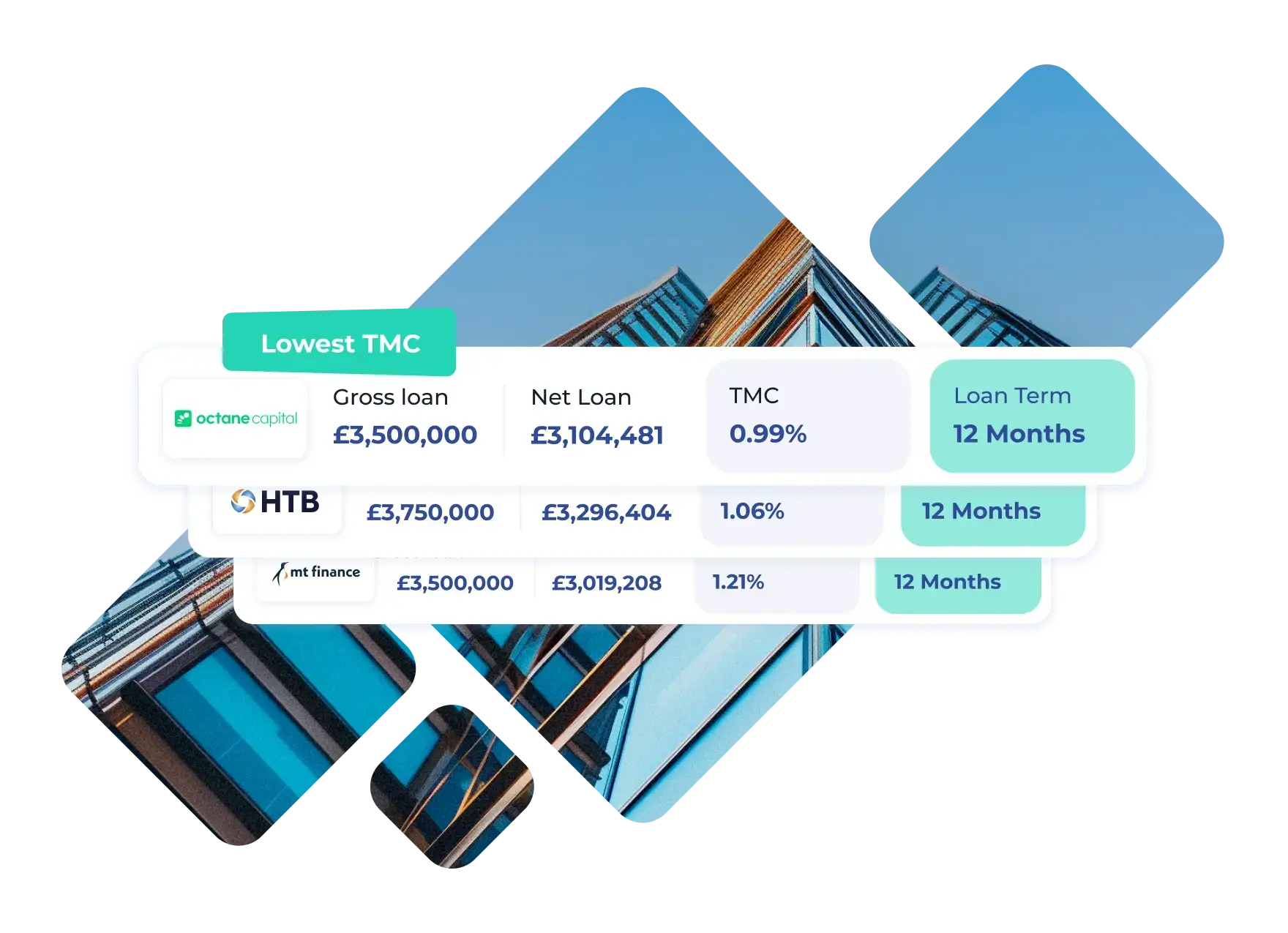
With more flexible, hybrid products available in 2026, picking the wrong one can mean paying for features you don't need, or missing out on ones that would have suited your project better. Our bridging loan calculator can help you quickly compare the likely costs of each route before you commit.
This guide looks at the differences between both funding types, and when a refurbishment bridging loan makes sense.
In this guide, we’ll cover:
- Differences between a bridging loan and refurbishment finance
- Whether bridging loans can fund light refurbishment
- If refurbishment bridging loans are more expensive
- When each type of finance makes sense
Differences between a bridging loan and refurbishment finance
A bridging loan is short-term property finance used when speed or flexibility are key to securing the property. Common use cases include:
- Auction purchases
- Chain breaks
- Buying unmortgageable property
- Completing quickly before refinance or sale (including sale of another property)
Standard bridging loans fund the purchase or refinance of a property and may be suitable where works are minor or self-funded. The structure is usually simple: a lender advances funds against the property, often for a term of one month up to around 12, with repayment expected through sale or refinance.
Refurbishment finance is a bridging facility designed specifically for more significant renovation projects. It’s short-term funding structured around a renovation plan, often with staged drawdowns for works. It can cover both the purchase in part and up to 100% of the works. The core difference is that the lender is underwriting not just the property, but the proposed works and the exit once those works are complete.
Both loan types offer speed and flexibility.
The scale of the work often determines the right loan type.
-
Light refurbishment usually means cosmetic or non-structural works such as kitchens, bathrooms, decoration, flooring, windows, heating or energy-efficiency upgrades.
-
Heavy refurbishment moves into structural works, extensions, conversions or changes that materially alter the building, and they typically require specialist refurbishment finance rather than a simple bridge.
Key Differences
| |
Standard bridging loan
|
Refurbishment finance
|
|
Loan structure
|
Mainly funds the purchase or refinance of the property
|
Structured around the property plus the refurbishment plan
|
|
Release of funds
|
Usually advanced upfront at completion
|
Often split between an initial advance and staged drawdowns for works
|
|
Risk profile
|
Lower project risk if no major works are involved
|
Higher risk because the lender is assessing delivery of the refurbishment
|
|
Monitoring requirements
|
Usually lighter, with standard valuation and legal checks
|
May involve progress checks, cost review or monitoring before funds are released
|
|
Use cases
|
Auctions, chain breaks, quick purchases, unmortgageable property
|
Buy-refurbish-refinance, value-add projects, heavier renovations, funded works
|
A bridging loan for refurbishment has a more involved underwriting process because the lender is assessing both the current property value and the estimated development value. Lenders examine the schedule of works, costings, contingency, borrower experience, contractor arrangements and market comparables.
.png?width=680&height=200&name=Untitled%20design%20(20).png)
Can Bridging Loans Fund Light Refurbishments?
Bridging loans are often used to fund light refurbishments, particularly where the property is sound, works are cosmetic, and the borrower wants to move quickly and refinance once the property is lettable or saleable.
As mentioned above, light refurbishment generally involves:
- Upgrading the internal decor including bathrooms and kitchens
- Improving energy efficiency with new central heating, insulation, new windows
- Any kind of redecoration from flooring to painting to plastering
- External works such as re-rendering, repairing roofs, landscaping
A standard bridging loan typically suits these types of projects, particularly if the borrower is funding the works from their own cash.
Some lenders are comfortable with light refurbishments under a normal bridge because the property remains broadly similar, is generally mortgageable in its existing state and the project risk is limited.
Specialist refurbishment finance is usually more suitable where works are substantial, the property is uninhabitable, planning or structural change is involved, or the borrower needs funds for the renovation itself.
Once the refurbs are complete, borrowers might move from bridging to commercial mortgage (the refinance process).
Are Refurbishment Bridging Loans More Expensive?
Refurbishment bridging loans can be more expensive than a simple bridge, but not always by a wide margin.
Refurbishment bridging loans typically cost more because the lender is taking on more complexity and additional underwriting around the works. More valuation input, staged drawdowns, monitoring requirements and greater risk if the project overruns on time or budget are all factored into the price.
The scale of the work impacts pricing. A light refurb with modest leverage and a clean exit may price close to a standard bridge, while large-scale refurbishments involving structural change and planning risk will usually cost more.
Additionally, all lenders price risk differently. Lenders who are experienced in and have an appetite for heavy refurbishments with greater value-add margins might price the same deal more competitively than a lender who predominantly deals with quick fix-and-flip loans.
When Each Type of Finance Makes Sense
Standard bridging loan
Usually best for auction purchases, quick acquisitions and light value-add renovations where speed and flexibility matter most. Buy-refurbish-refinance strategies can also be funded via a standard bridge, but it would depend on the scale of refurbishment.
Read about bridging loans for auctions.
Refurbishment bridging loan
Works for property investors who want to fund the costs of the refurbishment works via bridging rather than using their own capital. Typically lenders cap total project costs (works + purchase) at 75-85% of the projected final value, meaning up to 100% of the work costs can be covered with rest made available for the property purchase.
Refurbishment bridging finance makes sense for any refurbishments involving planning, change of use, structural changes or large scale works. The loan can be paid in stages to align with key milestones in the development work.
Development finance
Full development projects, like ground up construction, are more suited to development finance rather than refurbishment bridging. Bridging might be used to acquire the property / site before transitioning onto a development loan.
A simple way to think about it:
- If you need fast short-term finance to secure a property, you are in bridging territory.
- If the project is more complex, involving changes to existing planning, structural work, change of use or an in-depth building schedule, you are likely in refurbishment finance territory.
The key is to assess the full funding path, not just the initial loan. That includes the purchase timeline, the scope of works, whether funds need to be released in stages, and what the refinance or sale exit looks like once the project is complete.
Comparison platforms like Brickflow enable you to run your numbers against all types of bridging loans, and find out what type of loan best suits your project.